How a Flagstone Patio Can Support Your Edible Garden in Santa Cruz, CA
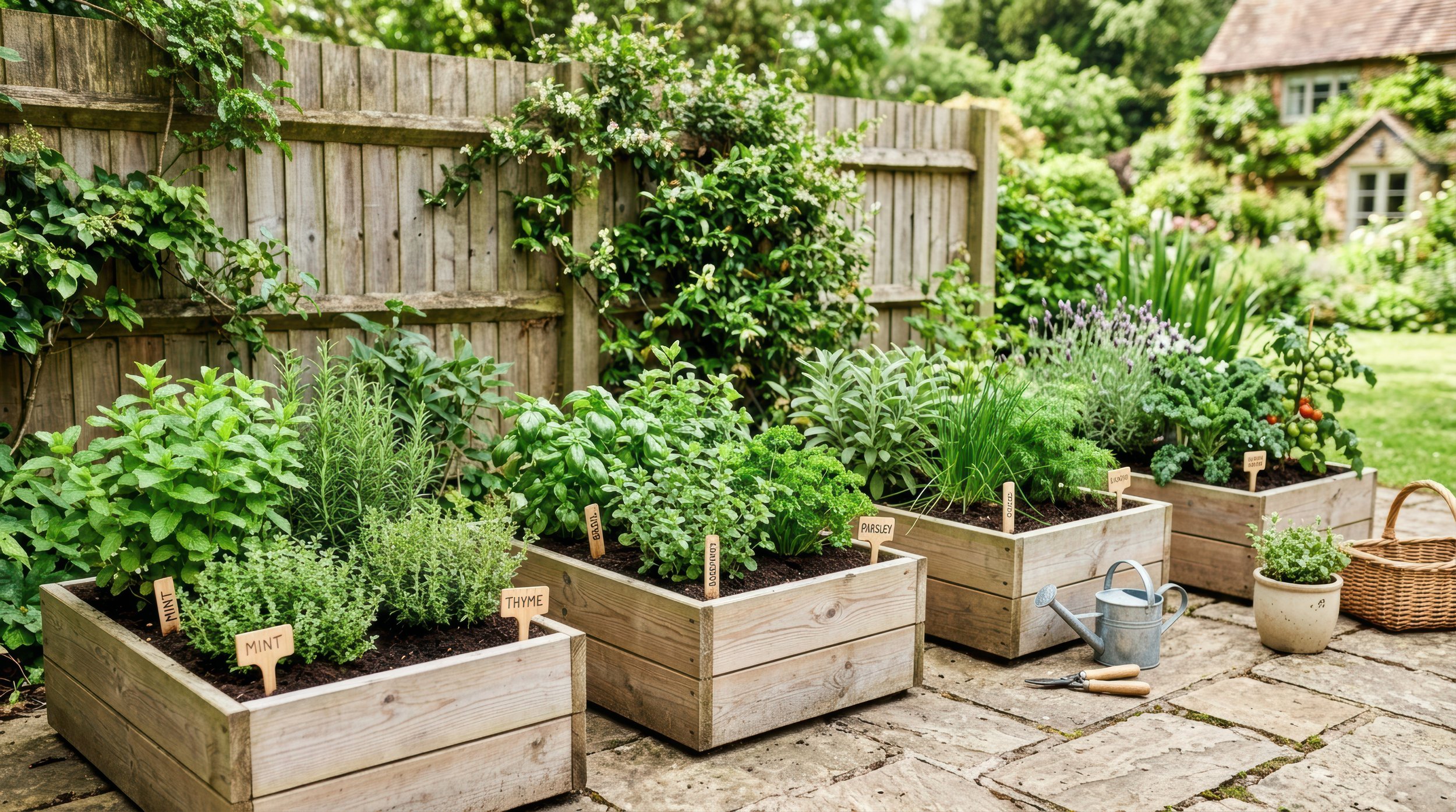
A flagstone patio in Santa Cruz, CA, should do more than create a place to sit. In a well-designed edible landscape, it should support the way people move through the garden, harvest from it, and spend time in a space shaped around food production. At Orchard Keepers, we approach every flagstone patio as part of a larger edible garden system, where fruit trees, vegetable beds, herbs, pollinator plants, and soil health remain the primary focus.
Rather than treating a flagstone patio as a standalone feature, we see it as one element within a working landscape. When designed well, it helps connect people more directly to the garden and makes the entire space easier to use, care for, and enjoy.
How a Flagstone Patio Fits Into an Edible Landscape
A flagstone patio works best when it grows naturally out of the garden around it. In an edible landscape, that means the patio should support access to planting areas, create comfortable places to pause near productive beds, and help organize how the space functions without pulling attention away from the plants themselves.
We often use a flagstone patio to create a usable surface near vegetable gardens, orchard plantings, or mixed edible and drought-tolerant areas. That surface can make everyday garden tasks more comfortable, whether someone is harvesting herbs, moving between raised beds, washing produce nearby, or simply spending time in the landscape through the seasons.
Natural stone is especially well-suited to this kind of setting because it feels grounded and organic. A flagstone patio can visually settle into the land, allowing the edible garden to remain the dominant feature rather than competing with it.
Designing Around Food Production First
In our work, food production comes first. That means a flagstone patio should be placed and shaped in response to the edible landscape, not the other way around. We consider sun exposure, access to planting zones, irrigation needs, soil areas, and how people will move through the garden during planting, tending, and harvest.
For example, a flagstone patio may sit beside a kitchen garden so it becomes easier to gather herbs and vegetables just steps from the home. It may create a stable transition point between fruit trees and annual beds. It may also offer a place to sit within the garden itself, allowing people to spend more time in the landscape and interact with it more often.
The point is not simply to add hardscape. It is to support a landscape that produces food and invites daily use.
Why Natural Stone Works Well in Edible Gardens
A flagstone patio brings texture and permanence to a landscape that changes constantly through growth, harvest, pruning, and seasonal transitions. In edible gardens, that balance matters. The patio offers structure, while the surrounding plantings bring softness, color, and productivity.
We often choose natural stone with tones that work quietly with the rest of the landscape. That helps the patio feel integrated with orchard plantings, raised beds, mulch paths, and native or pollinator-friendly additions nearby. The goal is not for the patio to dominate the garden, but to give it support and definition.
A flagstone patio can also help create cleaner access in spaces where soil, water, and regular garden activity are part of daily life. That practical benefit matters in landscapes designed to be used often, not just viewed.
Connecting a Flagstone Patio to Plantings and Walkways
In a productive garden, movement matters. A flagstone patio should connect naturally to the areas people use most, whether that means orchard rows, vegetable beds, herb gardens, compost areas, or entry paths leading back to the house.
That is why we think carefully about transitions. A patio may open into pathways that lead to fruit trees or border beds filled with edible and beneficial plantings. It may also provide a central space from which the rest of the garden can be reached more easily. These relationships make the entire edible landscape feel intentional and usable.
Plantings also play an important role in softening the patio and keeping the focus on the garden. Herbs, low-growing edibles, flowering support plants, and nearby orchard planting can all help the patio feel embedded in a living system rather than separated from it.
Building for Long-Term Use in a Working Garden
A flagstone patio in an edible landscape needs to do more than look natural on day one. It should continue to serve the garden well over time. That means paying attention to grading, drainage, stability, and how the patio will perform as nearby plantings mature and the landscape evolves.
A well-built patio supports the long-term function of the space. It provides a reliable footing, helps organize circulation, and gives structure to an environment that is meant to be active and productive. In that way, it becomes part of the garden’s everyday usefulness rather than just an aesthetic addition.
When designed with care, a flagstone patio can strengthen the experience of an edible garden without becoming the main attraction. The fruit trees, vegetables, herbs, and surrounding ecological plantings should still lead. The patio simply helps the landscape work better for the people tending and enjoying it.