What Vegetable Garden Services Look Like When Someone Who Understands Soil Is Running the Program in Santa Cruz, CA, and the Surrounding Areas
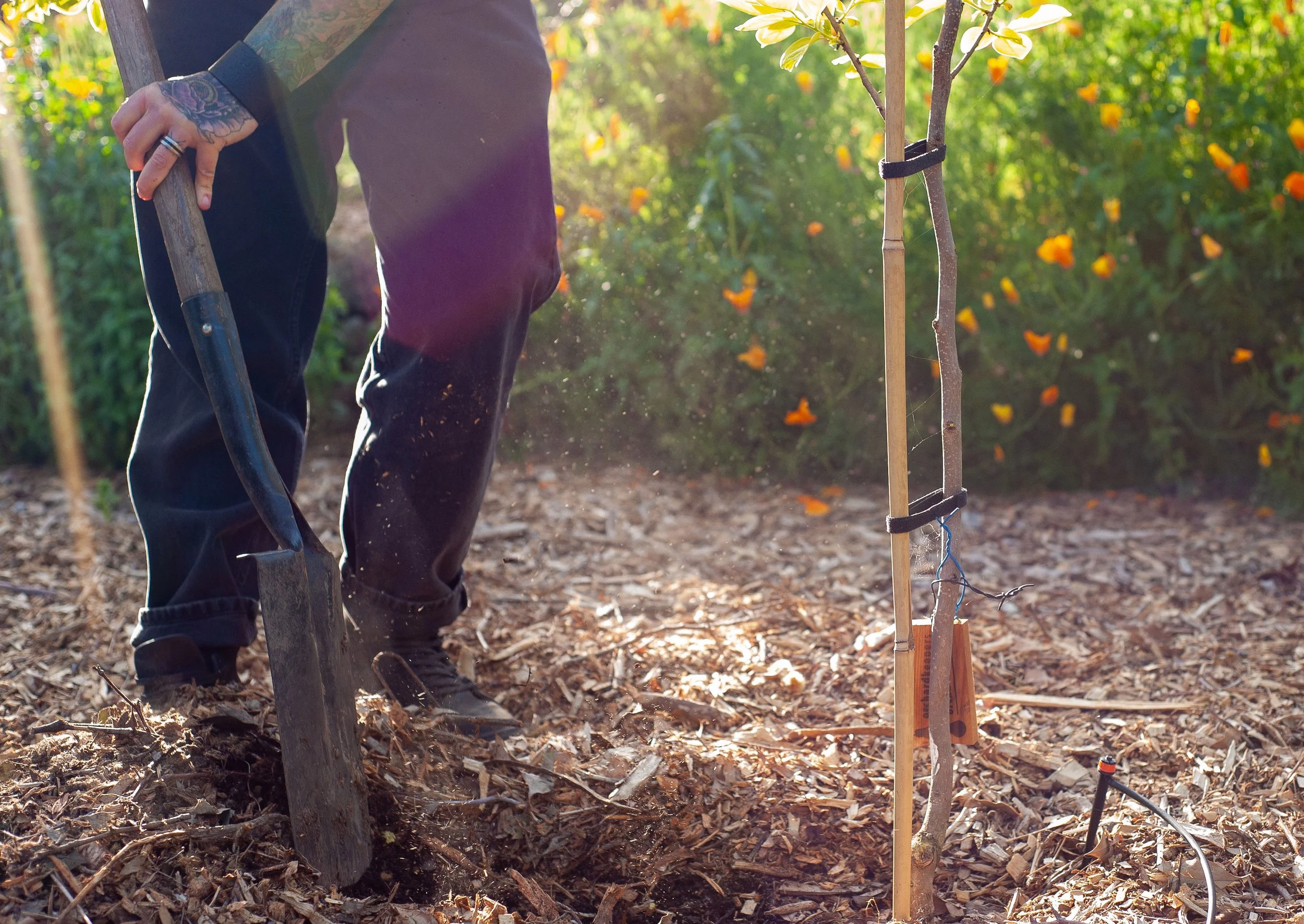
Most vegetable gardens that underperform are not failing because of the plants. They are failing because of what is underneath them. Compacted soil. Poor drainage. Nutrient imbalances. A pH that is too high or too low for the crops being grown. The seeds go in, the water goes on, and the gardener waits for results that never fully arrive.
That is where vegetable garden services make the difference. Not by doing the work for you, although that is part of it, but by building the foundation that gives every plant the best chance to produce.
Why Soil Is the Entire Strategy
On California's Central Coast, where microclimates shift from one block to the next and the growing season stretches across most of the year, soil health is the single most important variable in a vegetable garden. A bed with rich, biologically active soil will outproduce a bed with depleted soil regardless of what varieties are planted, how much water is applied, or how carefully the rows are spaced.
Vegetable garden services built around ecological principles start with the soil. That means organic amendments, compost, cover cropping where appropriate, and sustainable feeding programs that build fertility over time instead of pushing short term growth with synthetic inputs that degrade soil biology.
This is not a philosophical preference. It is a horticultural one. Healthy soil holds moisture more efficiently, supports beneficial microbial activity, and delivers nutrients to the root zone in forms that plants can actually absorb. The result is stronger plants, higher yields, and a garden that improves season after season rather than plateauing or declining.
What a Full Service Program Includes
A productive vegetable garden is not a set it and forget it project. It requires ongoing attention timed to the rhythm of the growing season. A well-structured vegetable garden services program covers:
Bed design and construction, including raised beds, in ground plots, or integrated edible landscapes that blend food production with the rest of the property
Soil preparation and amendment using organic materials selected for the specific conditions of the site
Seasonal planting plans that account for succession planting, crop rotation, and the varieties best suited to the coastal California climate
Irrigation design and management to deliver the right amount of water without waste, adjusted for the season and the crops in the ground
Ongoing care including pruning, feeding, pest and disease monitoring, weeding, and harvesting support through regular maintenance visits
Each of these elements connects to the others. A planting plan that does not account for soil conditions will underperform. Irrigation that does not adjust for what is growing will overwater some crops and underwater others. Pest management that relies on reactive spraying instead of building plant health from the soil up will always be fighting the same problems.
The Garden Should Give Back More Than It Takes
A vegetable garden maintained by people who understand horticulture, soil science, and the specific conditions of Santa Cruz, CA, and the Central Coast will produce more food, require less intervention, and look better doing it than one managed by guesswork and good intentions.
If you have been thinking about starting a vegetable garden or want to get more out of the one you already have, we are always happy to come take a look at your space and talk through what the soil and the site can support.