How a Fruit Tree Specialist Builds a Home Orchard That Actually Produces Year After Year
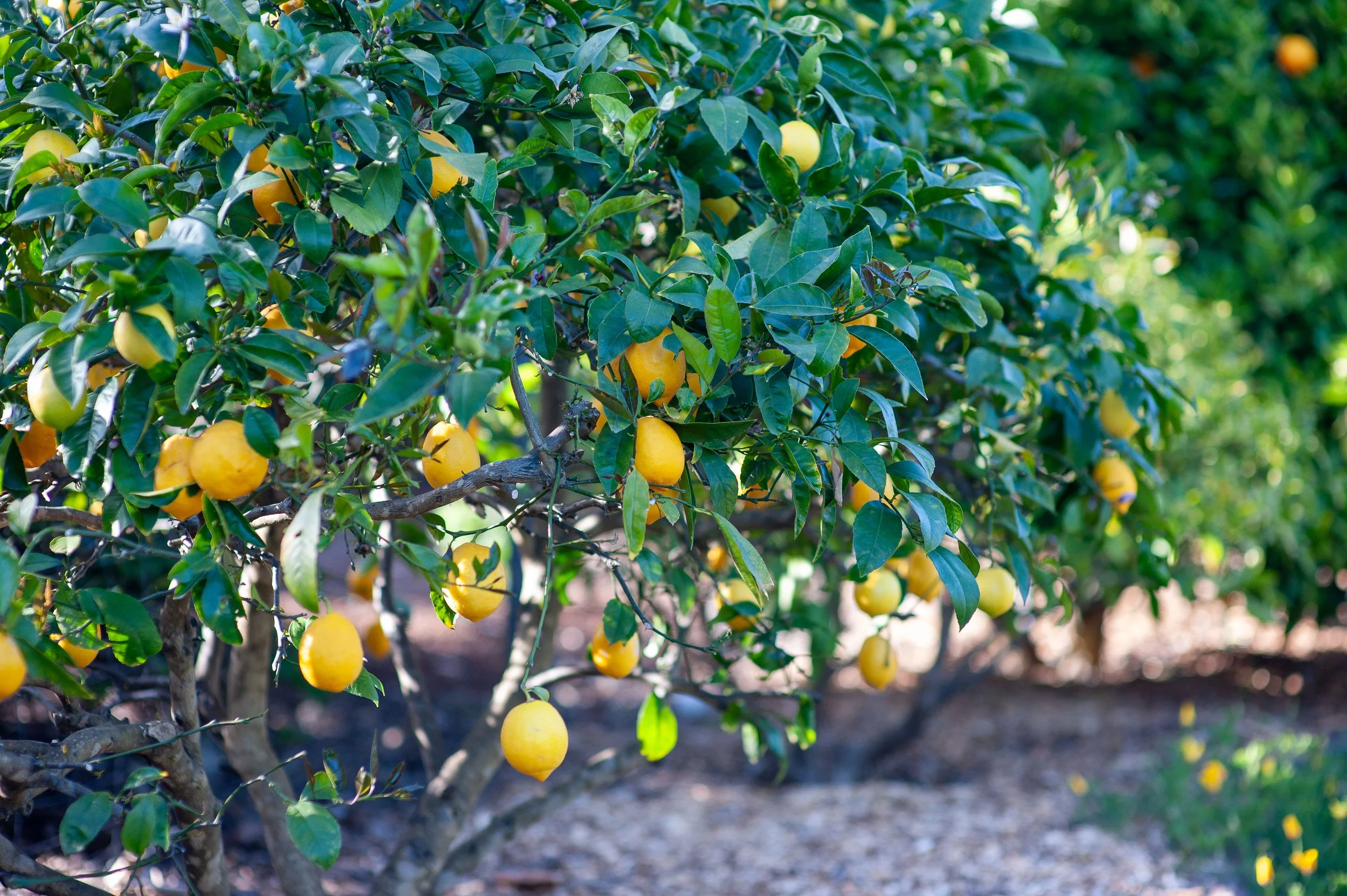
The homeowner plants a lemon tree from the nursery. It grows. It produces a handful of fruit the first year. By the third year it looks stressed, the production has dropped, and the leaves are yellowing in a pattern that the internet says could be twelve different things. The tree is alive. It is not thriving. And the dream of picking fruit from the backyard has quietly stalled.
A Santa Cruz, CA, fruit tree specialist approaches the orchard differently. Not as a hobby purchase but as a biological system. The tree selection is based on the microclimate, the soil, the chill hours, and the pollination requirements. The planting is done with soil preparation that gives the roots what they need to establish. And the maintenance follows a seasonal protocol that supports the tree through every phase of its annual cycle.
The result is a home orchard that produces reliably, improves over time, and becomes a functional part of the property rather than a decorative one.
What a Fruit Tree Specialist Considers Before Planting
The area’s climate is extraordinarily favorable for fruit production, but it is not uniform. A property in the fog belt has different chill hour accumulation than one in the inland valleys. A south-facing slope receives more heat than a shaded yard. And the soil, which ranges from heavy clay to sandy loam depending on the location, affects drainage, nutrient availability, and root development.
A fruit tree specialist evaluates:
Chill hour availability on the specific site, because deciduous fruit trees like apples, stone fruit, and pears require a minimum number of hours below 45 degrees to set fruit properly, and the area’s microclimates vary widely in their ability to deliver them
Soil composition and drainage, because fruit trees are intolerant of waterlogged roots and the clay soils common in many neighborhoods require amendment or raised planting to provide adequate drainage
Pollination requirements, because many fruit trees need a compatible pollinator variety nearby to produce, and a single tree of a self-sterile variety will bloom beautifully and set nothing
Rootstock selection, which determines the tree's mature size, its disease resistance, and its adaptation to the specific soil and moisture conditions on the property
Spacing and orientation to maximize sun exposure and airflow, which reduces disease pressure and promotes even fruit development across the canopy
These are the decisions that determine whether the orchard produces. The planting itself takes a morning. The planning takes longer. And the planning is what makes the difference.
Why Ongoing Care Determines the Long-Term Yield
A fruit tree that is planted correctly and then neglected will produce for a few years and then decline. The pruning that shapes the canopy, the fertilization that feeds the soil biology, and the pest and disease management that protects the crop are all ongoing requirements. They are not optional.
A fruit tree specialist manages these inputs on a seasonal schedule, using organic and sustainable practices that build soil health rather than depleting it. The orchard improves. The production stabilizes. And the homeowner stops guessing and starts harvesting.
The Santa Cruz, CA, backyard that feeds the family is not a fantasy. It is a system. And a fruit tree specialist is who builds it.