
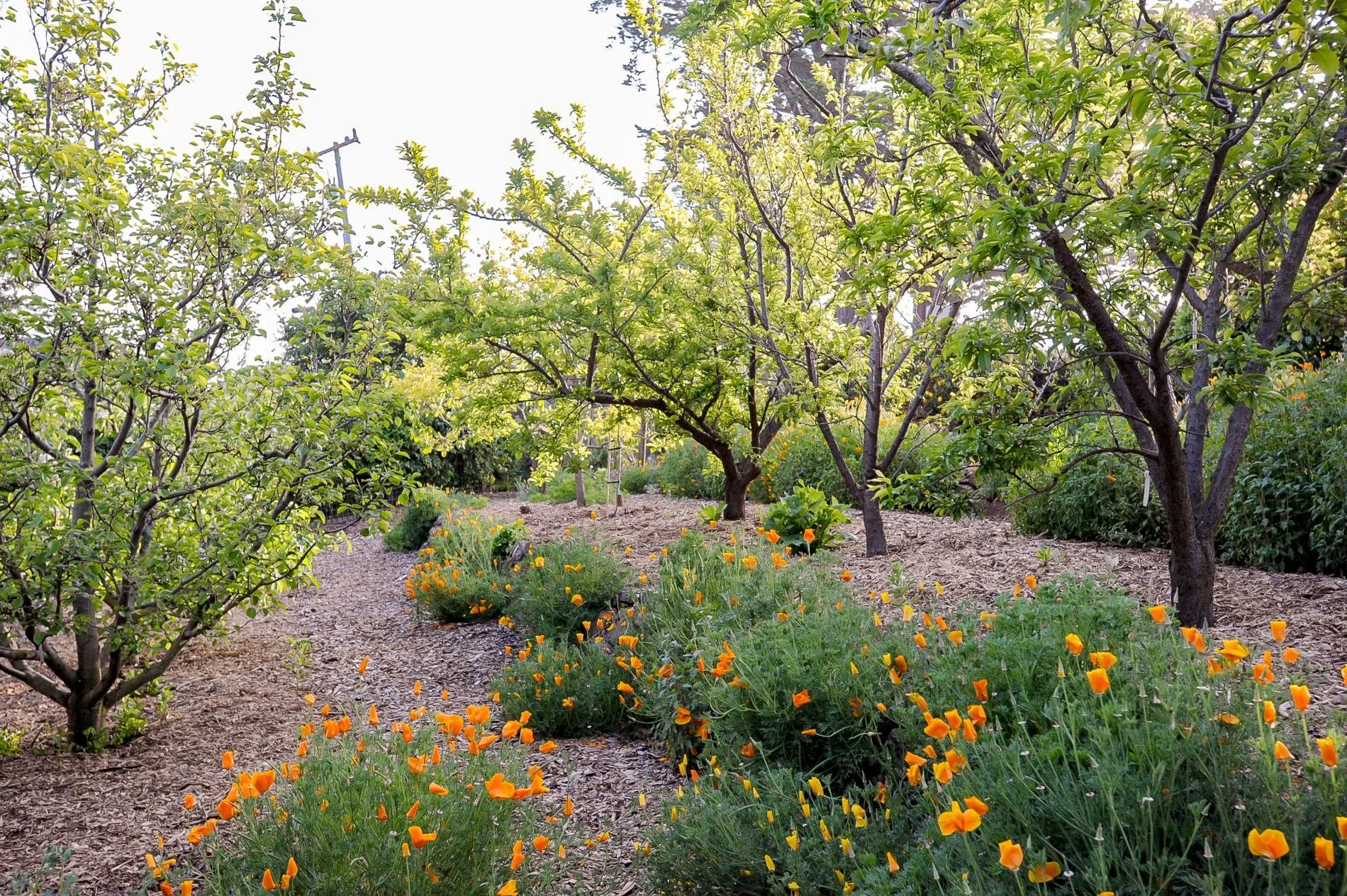
Education & Stewardship: Notes From the Field
What We're Learning on the Land, in Santa Cruz and the greater South Bay
Stewardship is a practice, and practices are meant to be shared. This journal gathers what our crews are seeing and learning across the orchards, gardens, and landscapes we tend: seasonal know-how, growing wisdom for this coast, and the occasional dispatch from a project we loved. For our library of evergreen growing references, visit our Cultivation Guides.

How a Flagstone Patio Settles Into a Garden Rather Than Paving Over It in Santa Cruz, CA
Most patios are treated as the opposite of a garden: a hard surface stamped down where the planting used to be. A flagstone patio does not have to work that way. Set thoughtfully, with joints planted and stone chosen to match the place, it becomes part of the garden rather than a replacement for it, a surface you can walk and gather on that still breathes, drains, and supports the living landscape around it. For a Santa Cruz garden built around fruit trees, native plants, and edible beds, that distinction is everything.
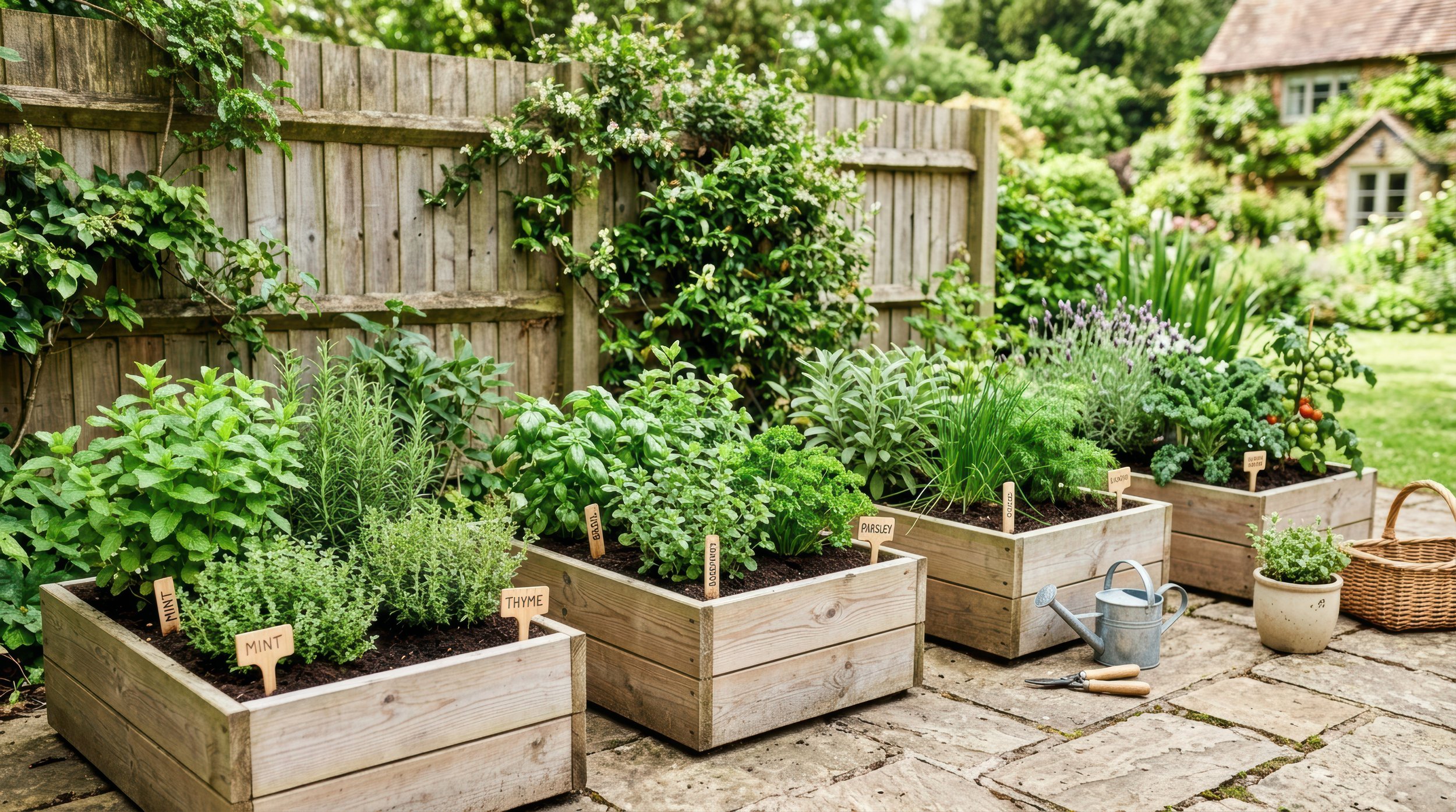
How a Flagstone Patio Can Support Your Edible Garden in Santa Cruz, CA
A flagstone patio in Santa Cruz, CA, should do more than create a place to sit. In a well-designed edible landscape, it should support the way people move through the garden, harvest from it, and spend time in a space shaped around food production. At Orchard Keepers, we approach every flagstone patio as part of a larger edible garden system, where fruit trees, vegetable beds, herbs, pollinator plants, and soil health remain the primary focus.

What Makes a Flagstone Patio Feel Like It Belongs in Your Edible Garden
There is a version of a flagstone patio that feels like it grew out of the ground. The stone follows the contour of the land. Plants creep between the joints. The edges blur into gravel paths or garden beds rather than cutting a hard line through the yard. It looks like it has been there for decades, even when it was installed last season.